Big-Pharma’s Tech & Biotech Acquisitions: Strategic Imperative or Strategic Risk?
What the Pfizer-Metsera deal tells clinical operations about the evolving clinical-trial technology and drug-development landscape.
What the Pfizer-Metsera deal tells clinical operations about the evolving clinical-trial technology and drug-development landscape.
In recent years, large pharmaceutical companies have increasingly turned to acquisitions of tech-enabled biotech firms and companies with novel platforms. This isn’t just about adding molecules it’s about buying technology, capability, access, and speed. The recent announcement that Pfizer will acquire Metsera in a deal valued at up to US $10 billion signals what the broader clinical-trial ecosystem should be watching. (Reuters)
For clinical operations teams, eCOA/ePRO vendors, IRT providers, CROs and sponsors alike, such acquisitions carry operational and strategic implications. They influence trial design, speed to market, data-platform architecture, ecosystems of vendors, and ultimately how sponsors evaluate their technology partners.
The Pfizer-Metsera Deal: A Snapshot
In early November 2025, Pfizer secured Metsera after a fierce bidding war with Novo Nordisk. The final deal values Metsera at approximately US $10 billion, though much of that depends on contingent value rights (CVRs) tied to clinical and regulatory milestones. (Investing.com)
Why is this deal significant?
Metsera’s pipeline centres on next-generation obesity treatments: monthly injectable GLP-1/GLP-1-combination drugs, and oral candidates. (Pfizer)
Pfizer had previously abandoned its own internal obesity-pill programme after safety/tolerability issues; the acquisition gives it a “bolt-on” opportunity instead of building from scratch. (BioPharma Dive)
The deal also reflects the broader market’s view that the obesity/weight-loss segment may reach US $150 billion in value by the early 2030s. (Reuters)
Importantly for this discussion: the acquisition isn’t merely of a molecule it is of clinical-platform capability, novel modality work, and an ecosystem leadership bet.
Why Big Pharma Acquire Tech-/Biotech Assets: The Strategic Imperatives
From a clinical operations and vendor-landscape vantage point, there are several motivating pressures driving large pharma acquisitions:
Speed to market and pipeline replenishment Large pharma face patent expiries, cost pressures, and increasingly complex development risks. Acquiring an external asset or platform accelerates time-to-market and bypasses earlier-stage risk. In clinical operations, this means the vendor ecosystem must adjust to faster timelines, more modular trials, and integrated end-to-end platforms.
Access to differentiated technology & data-platforms The acquired companies often bring new modalities (e.g., long-acting injectables, novel delivery, device-drug hybrids, digital biomarkers) not just compounds. For trial vendors (eCOA, IRT, wearables) this means potential shake-ups in who owns data, how endpoints are structured, and vendor integration.
Ecosystem consolidation and vendor rationalisation With larger companies acquiring more end-to-end capabilities, sponsors may prefer fewer but larger partners with broad capability. This can squeeze smaller niche vendors or force them to affiliate with larger partners. It can also shift selection criteria (platform maturity, data-security, global reach).
Regulatory, real-world evidence and scale Big pharma brings global regulatory and manufacturing scale, plus post-market/real-world-evidence (RWE) capabilities. Acquisitions that combine tech platforms + biotech pipelines often signal a shift to “digital plus real-world” in how trials are designed. Clinical operations teams will need to embed RWE, hybrid trial models and real-time analytics more deeply.
Strategic signalling and competitive positioning In the Pfizer-Metsera case, the bidding war with Novo underlines how acquisitions are also about market narrative: capturing “future category” space (obesity treatments), signalling to investors and competitors that you will or will not be leader. For vendors and CROs, this means sponsors’ strategic priorities may shift more quickly than ever and vendor road-maps need to align with what’s next, not only what’s now.
Lessons for Clinical Operations & Vendor Strategy
Given the above, here are key take-aways and practical recommendations that clinical operations directors, eCOA/ePRO/IRT vendors and sponsors should consider:
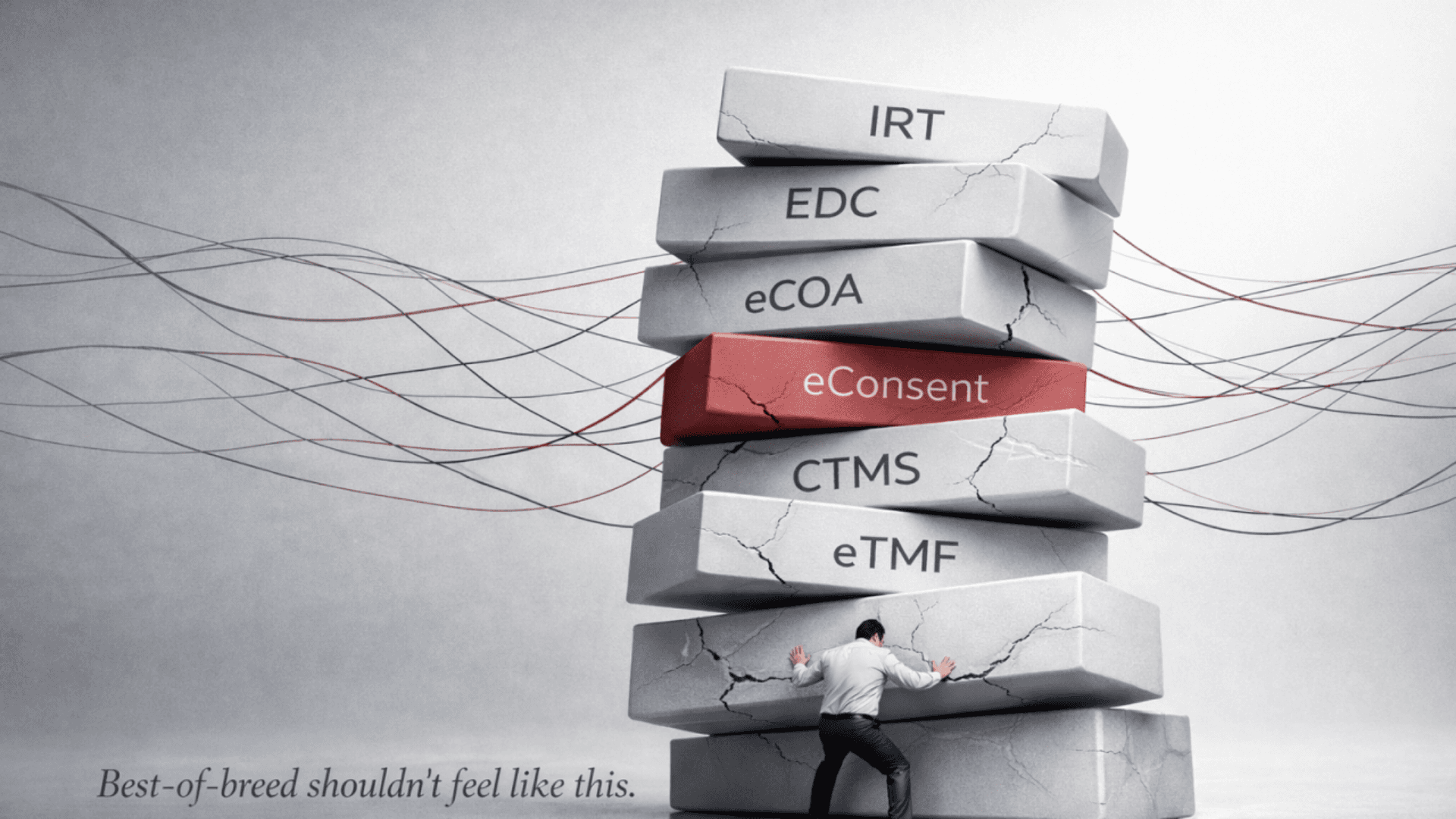
Vendor-selection criteria need to include “acquisition-proofing” Ask: is the vendor aligned with a platform that could be acquired, integrated or de-commoditised? Do they have flexibility, strong API strategy, and interoperability? If a sponsor acquires a biotech/tech firm mid-programme, vendors may need to support merged protocols or harmonised systems.
Be ready for accelerated timelines and modular trial designs When a pharma bolt-ons a company, they often accelerate endpoint milestones. The vendor ecosystem must be ready for flexible deployment of modules (eCOA + wearables + IRT) globally, with quick start-up and lean governance.
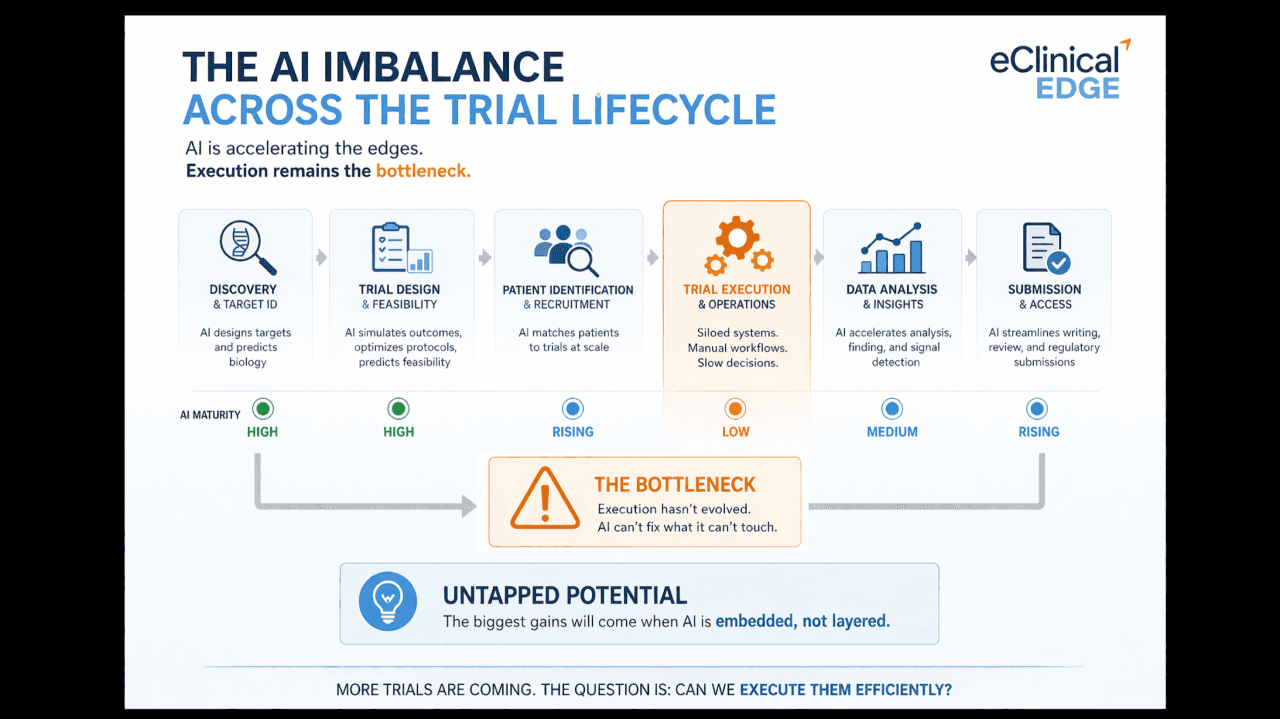
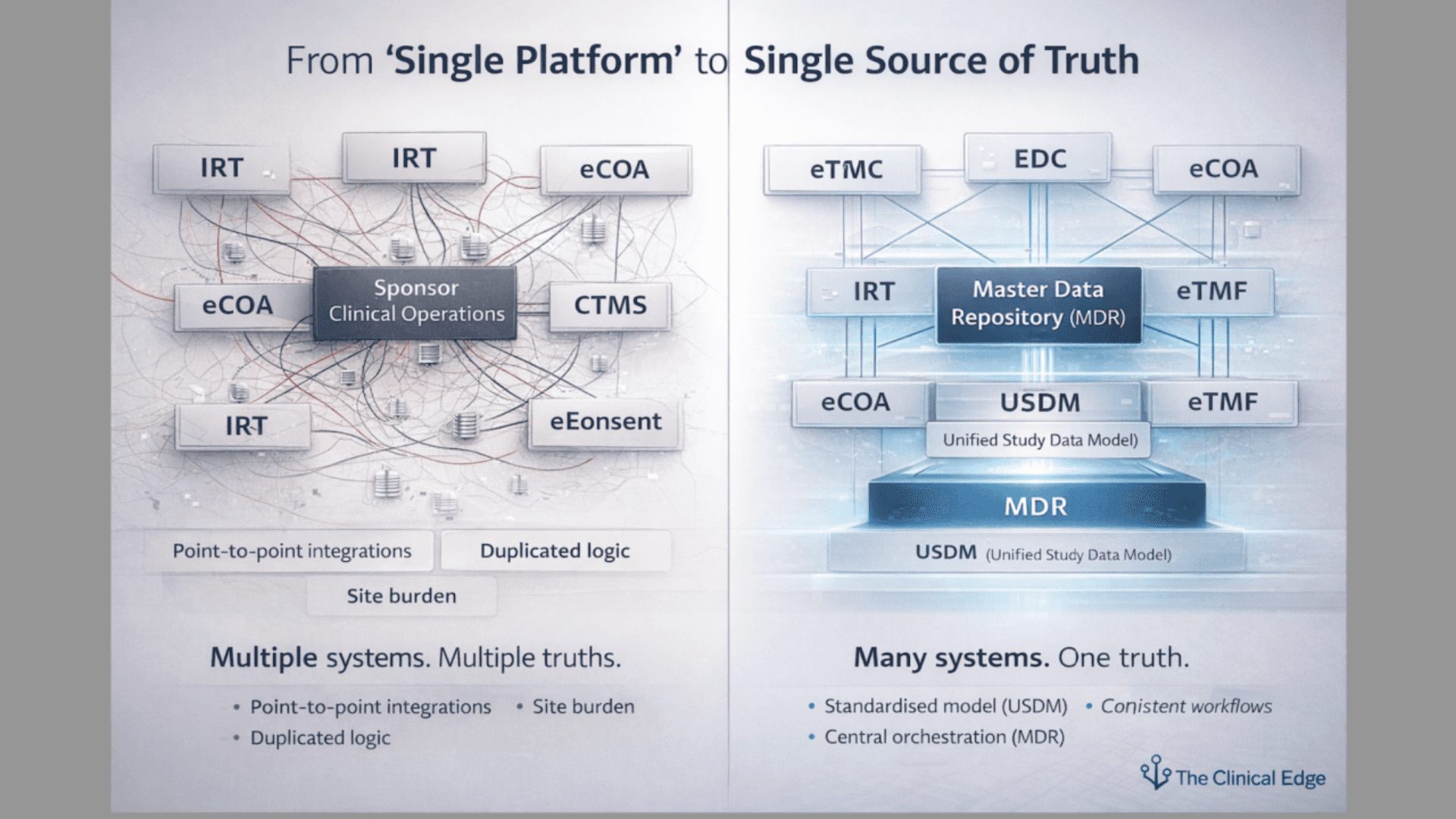
Data-platform architecture becomes strategic It’s no longer enough to deliver eCOA or IRT in isolation. Sponsors will look for platforms that integrate across domains (digital biomarkers, remote monitoring, adaptive arms) and can scale post-market. Vendors should invest in robust architecture (cloud-native, regulatory-compliant, real-world-linkable).
Global regulatory and real-world integration is non-negotiable Large acquisitions often aim for global rollout. Clinical operations teams must build trial strategies that work across regions (US, EU, APAC), with built-in real-world extension. Vendors must ensure their systems support RWE, post-market follow-up and data federation.
Be aware of strategic re-prioritisation within sponsors An acquisition can shift a sponsor’s internal priorities (e.g., from oncology to metabolic, or from small-molecule to biologics). Vendors should monitor the sponsor’s M&A activity as an indicator of where their pipeline and technology investments will flow.
Risks and Mitigations
Of course, acquisitions carry risk and for clinical operations, internal and external risks must be managed.
Integration risk: Merging biotech assets into a big-pharma operating model often causes delays, culture clashes, system incompatibilities. For trials, this may mean protocol revisions, vendor re-negotiations or data-migration issues.
Over-pay/risk of pipeline failure: Many acquisitions depend on early-stage assets that may fail. Despite a large price tag, the value lies in future successful launches. As noted, analysts estimated that for Metsera’s pipeline to justify the valuation, Pfizer needs something like US $11 billion in revenue by 2040. (Reuters) If trials fail, vendors could face programme cancellations or sponsor retrenchment.
Vendor lock-in and de-risking: Big corporates may favour internal capabilities post-acquisition, reducing reliance on external vendors, unless the vendor proves strategic advantage. To mitigate this, vendors must demonstrate flexibility, cost-effectiveness and strategic alignment.
Regulatory and antitrust complexity: The Metsera deal featured antitrust concerns, especially given Novo’s competing bid. (The Washington Post) Sponsors and vendors must stay alert to regulatory risk (merger approvals, cross-national regulatory coordination) which can delay programmes.
Implications for the eClinical Edge Ecosystem
For the ecosystem of eCOA, IRT, digital biomarkers and global trial operations, this acquisition landscape invites us to reflect and act:
Vendors should position themselves as ‘platform enablers’ rather than point-solution providers. The buyer’s world is moving toward integrated platforms; being the add-on may not suffice.
Sponsors’ vendor road-maps must account for M&A shifts: When your sponsor acquires or merges with another firm, vendor selections may need rewiring. Your technology partners should be resilient to change.
Training, governance and SOPs must be agile: The merger of a biotech into a big pharma brings changes in SOPs, systems, culture. Clinical operations teams must be ready for transitions e.g., harmonising data governance, combining platforms, managing change.
Strategic intelligence competence is now mission-critical: Clinical operations, vendor management, and BD teams need to monitor M&A, pipeline shifts and tech strategy as closely as operational logistics. The vendor-landscape is now driven by business strategy, not merely execution.
Conclusion
The Pfizer-Metsera transaction is a clarion call for all stakeholders in clinical operations and associated vendor ecosystems. It highlights how acquisitions are no longer adjunct, they are strategic levers, shaping how trials are designed, how platforms are architected, how endpoints are chosen, and how data flows post-market.
For sponsors, CROs, eCOA/IRT vendors and clinical operations teams, the question is less if there will be further acquisitions of this kind, and more when, and whether they are prepared. The industry’s pace of change drives the need for agility, integration-minded architecture and strategic vendor partnerships that can scale in a world where platform + pipeline = future value.
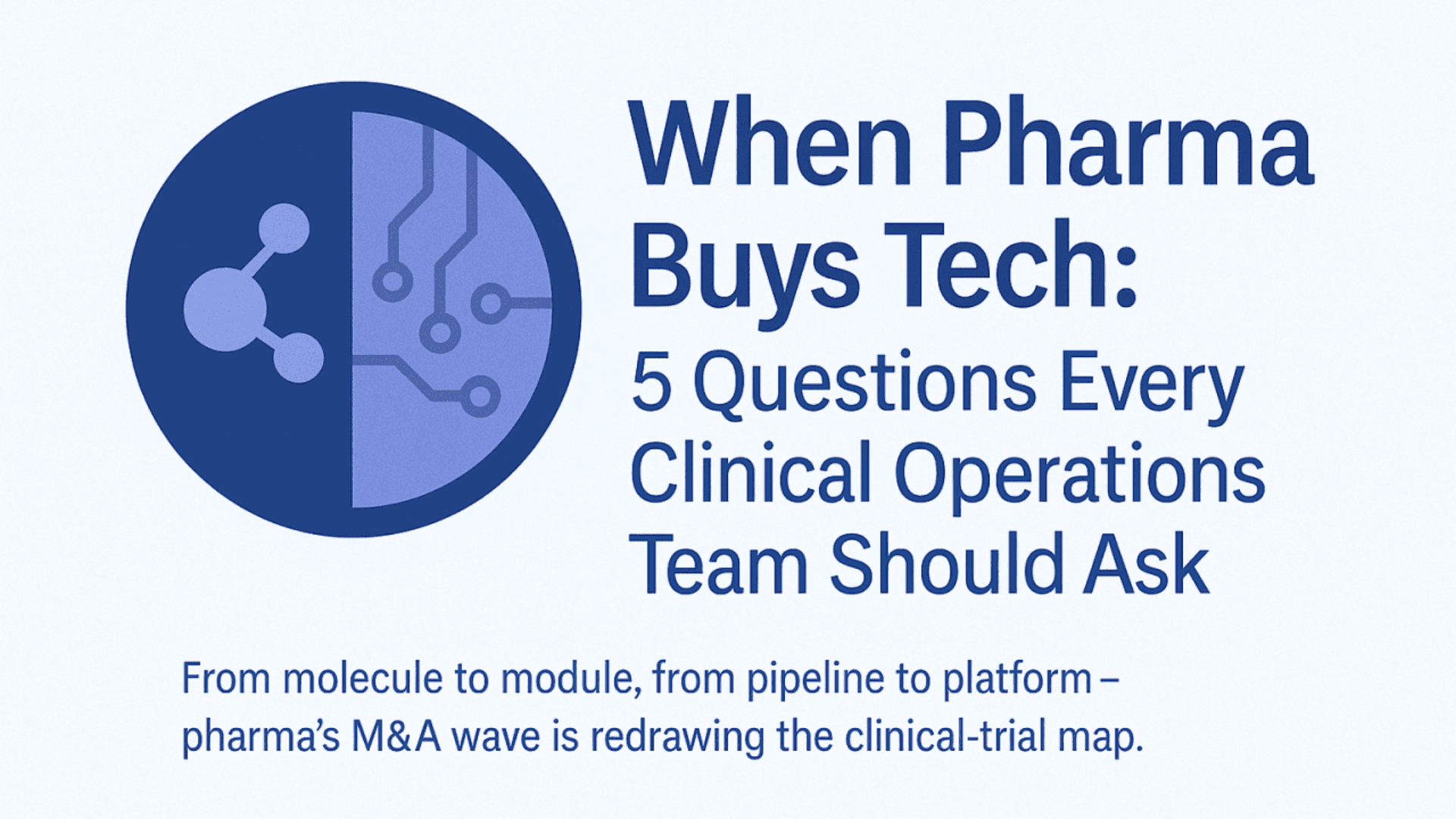
5 Questions every Clin-Ops Team should ask:
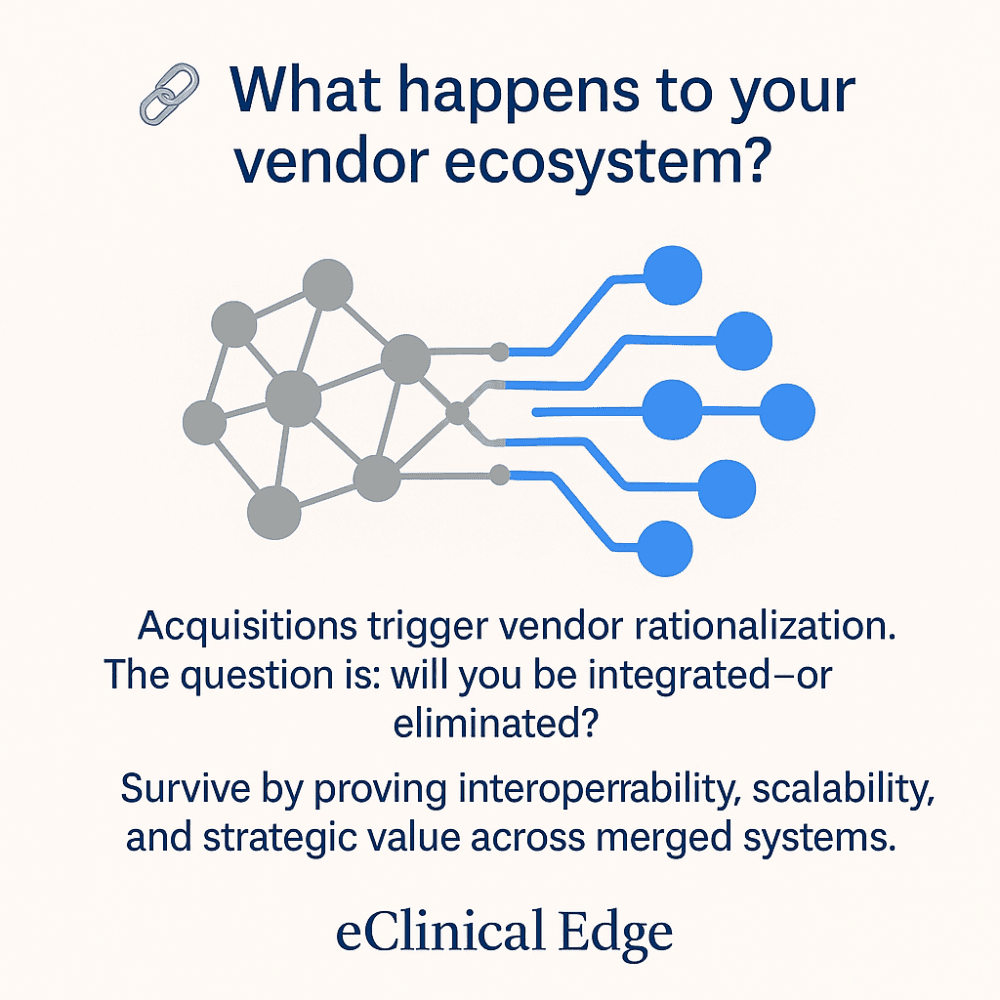
What happens to your vendor ecosystem?
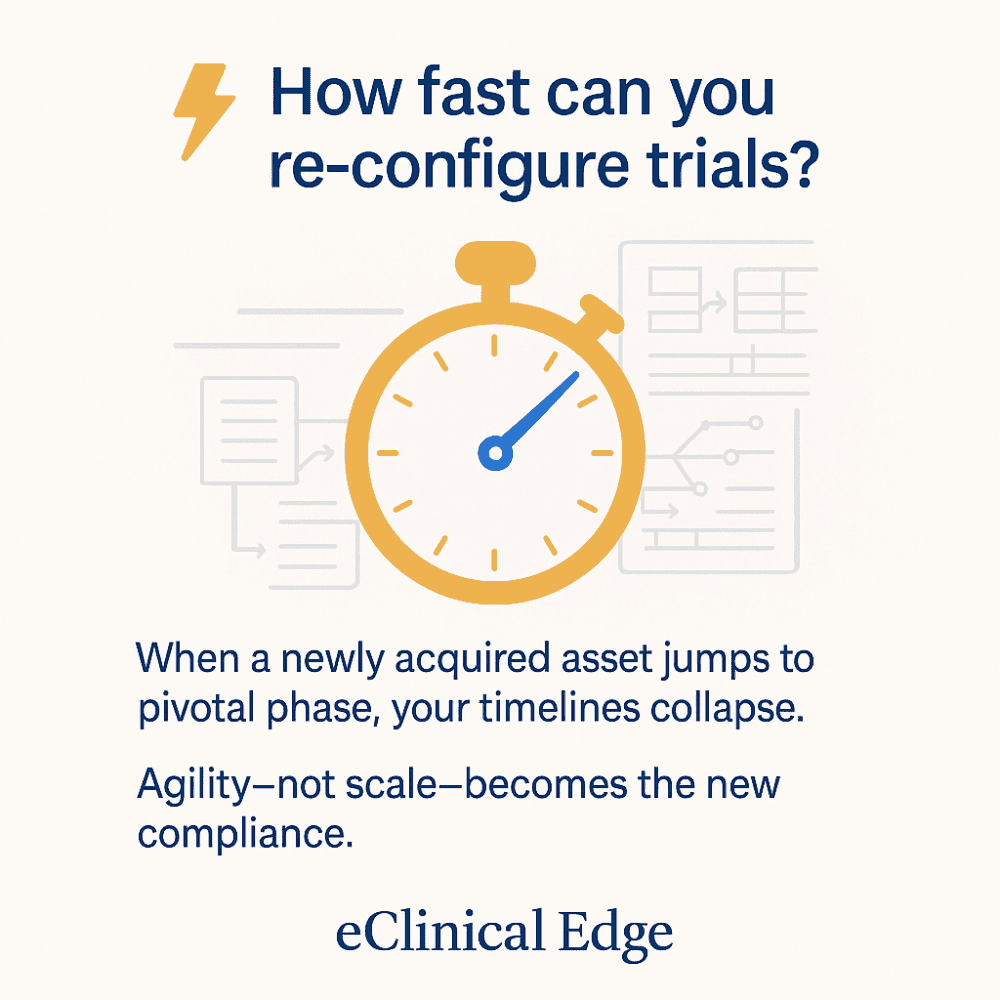
How fast can you re-configure trials?
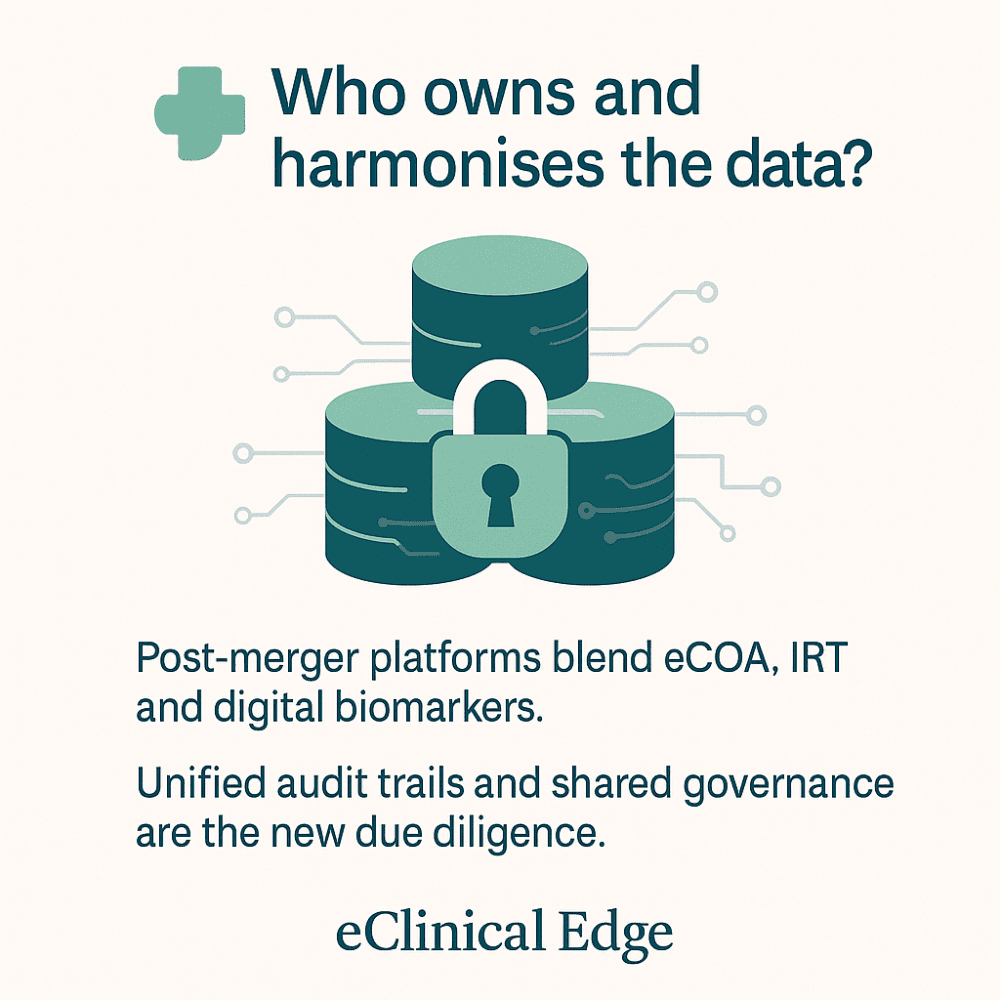
Who owns and harmonises the data?
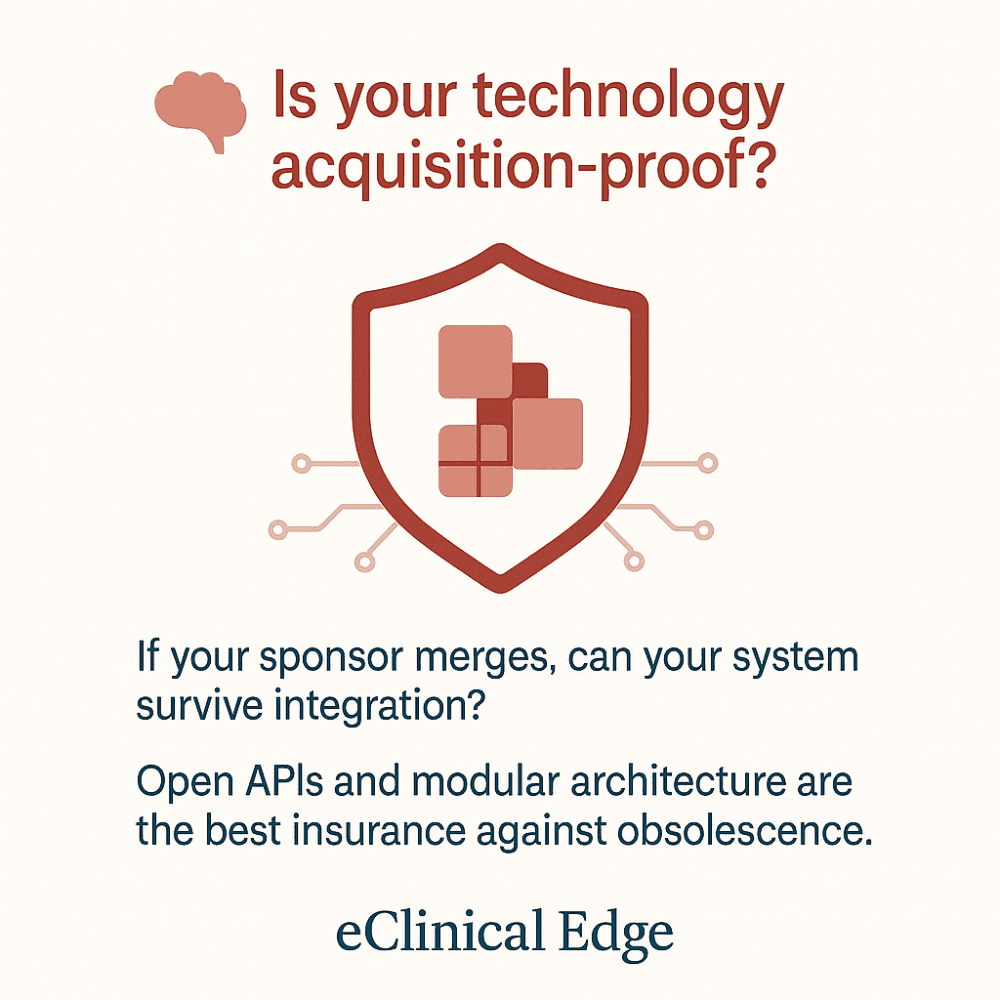
Is you technology acquisition-proof?
How do you read the strategic signals?
About
Delivering independent journalism, thought-provoking insights, and trustworthy reporting to keep you informed, inspired, and engaged with the world every day.
Featured Posts